British American Tobacco
Multicart Experience
British American Tobacco is a global company offering a variety of smoking products. For this project, our goal was to boost the visibility of their alternative smoking brands — Glo, Vuse, and Velo — in Romania. With today’s poly-smokers using multiple alternatives instead of sticking to just one, British American Tobacco tasked us with strengthening the connection and positioning of their brands in the market.

THE CHALLENGE
BAT’s alternative smoking brands — Glo, Vuse, and Velo — were previously featured on separate websites, creating a fragmented experience that limited cross-brand discovery and missed upselling and cross-selling opportunities. This disconnected approach didn’t reflect the behavior of poly-smokers, who often explore and buy products across different categories.
THE IDEA
We held a strategic workshop with key stakeholders from the Marketing, Digital, Technology, and SEO teams to define the ideal digital ecosystem for BAT’s multi-brand portfolio, which includes Glo, Vuse, and Velo.
Client Objectives
The objective of this project was to create an intuitive and user-focused digital shopping experience that allows users to easily discover a variety of brands, simplifies the journey from adding products to the basket through to checkout, and ultimately boosts conversion rates.
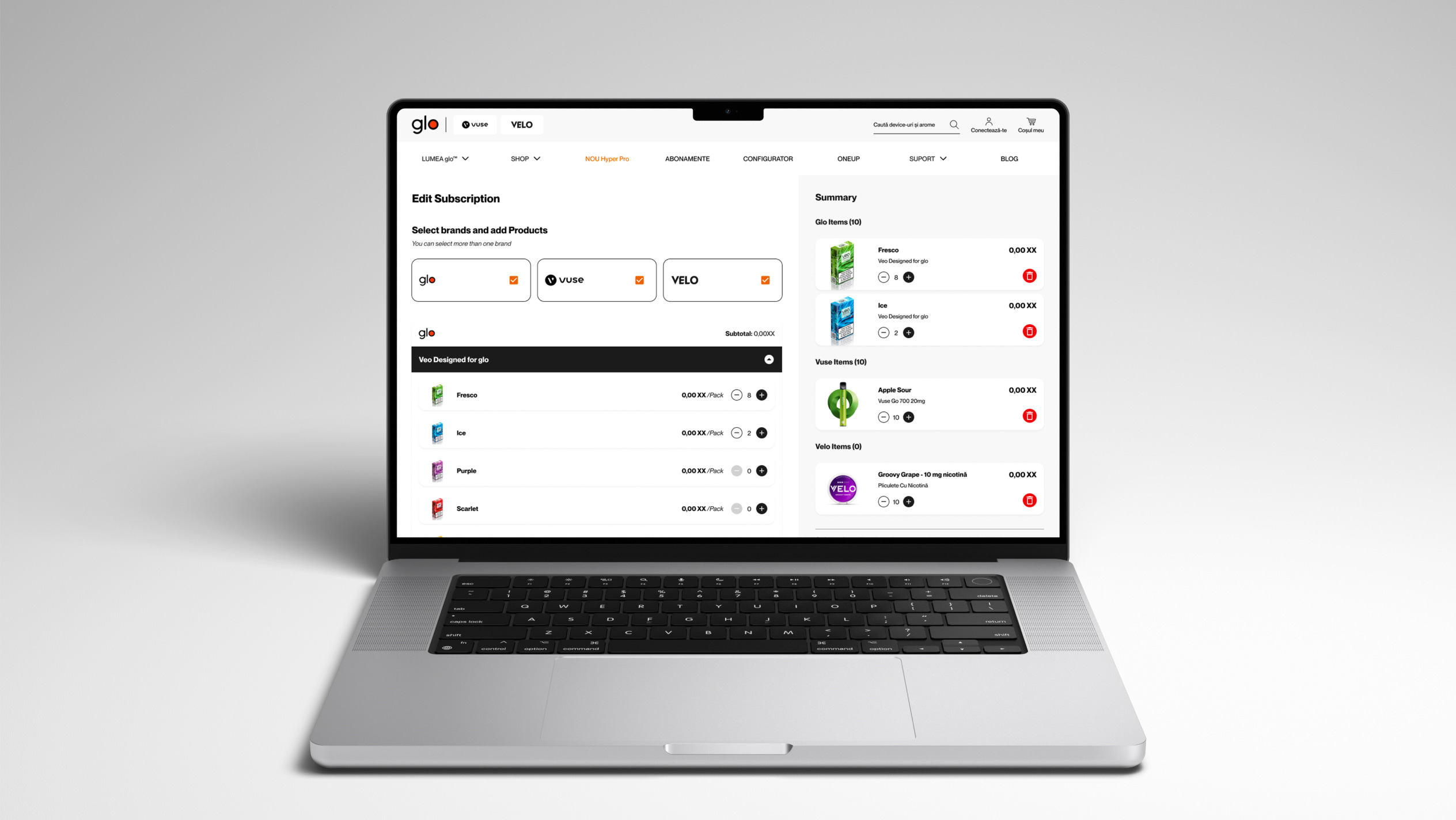
Based on the insights from our research, we designed a smart and user-friendly multicart for British American Tobacco, enabling seamless shopping across three brands. We also created new product list and product detail pages, incorporating images, content blocks, and links to related products and offers to better support users in their search and purchase journey. Throughout the process, we ensured that the digital experience remained consistent with each brand’s identity.
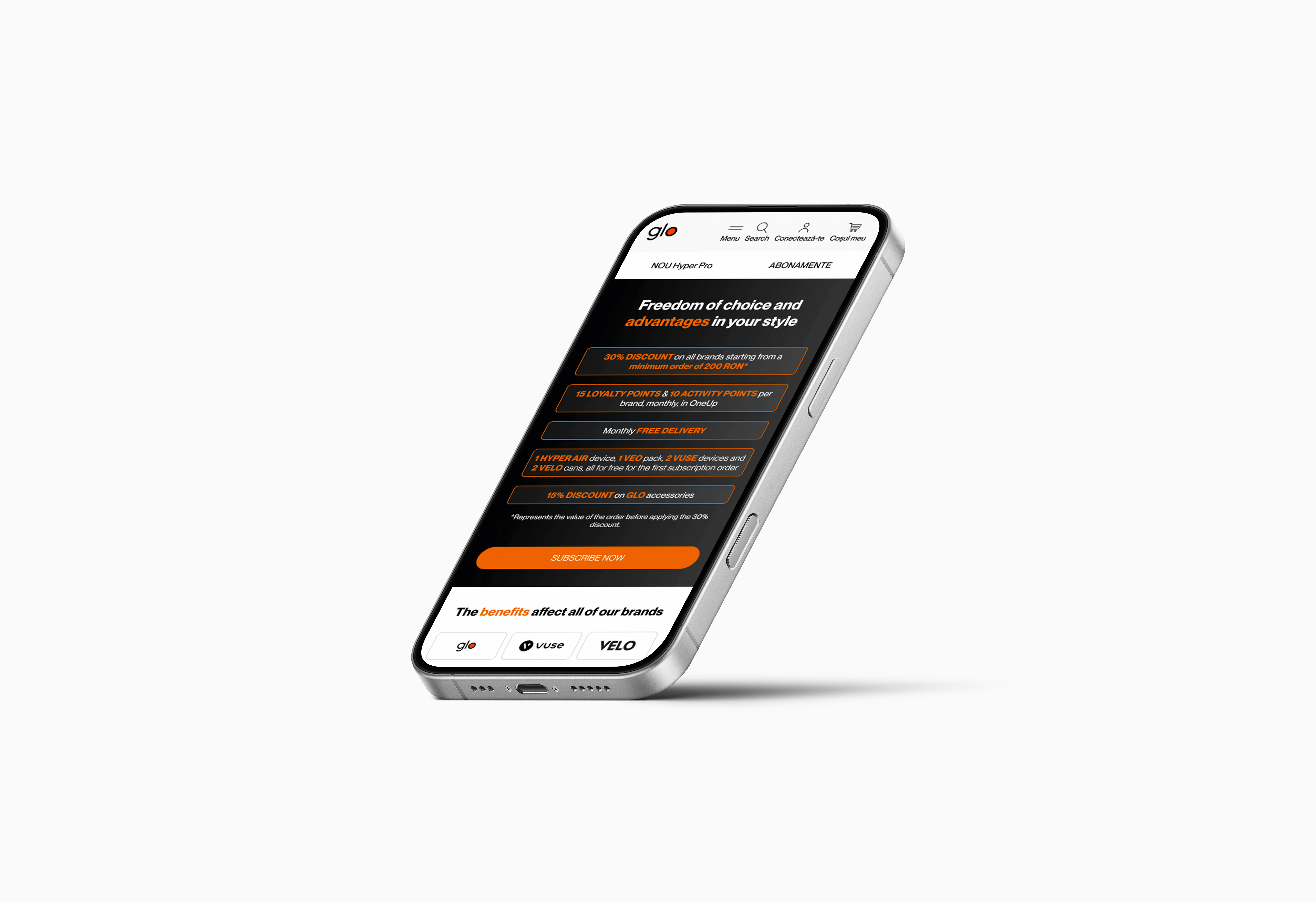
Project Methodology: From Analysis to User-Centric Design
The project advanced through several essential phases. It began with an initial analysis and benchmarks, followed by a heuristic evaluation and the definition of personas. We then facilitated collaborative workshops and developed detailed user flows to map out the user journey. This was followed by the design of the user experience (UX) and user interface (UI). Finally, we conducted user testing to validate and refine our solutions, ensuring they are both effective and user-centric.